GCF Global Conference Highlights Urgent Need for Direct Access to Climate Finance for Indigenous Peoples
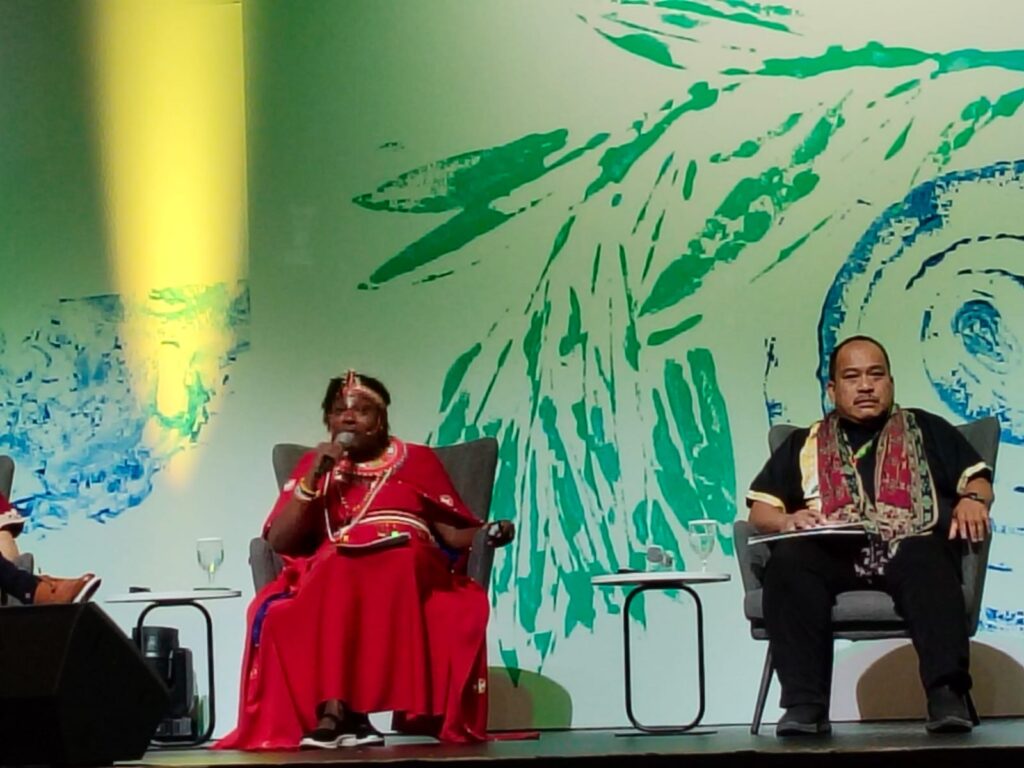
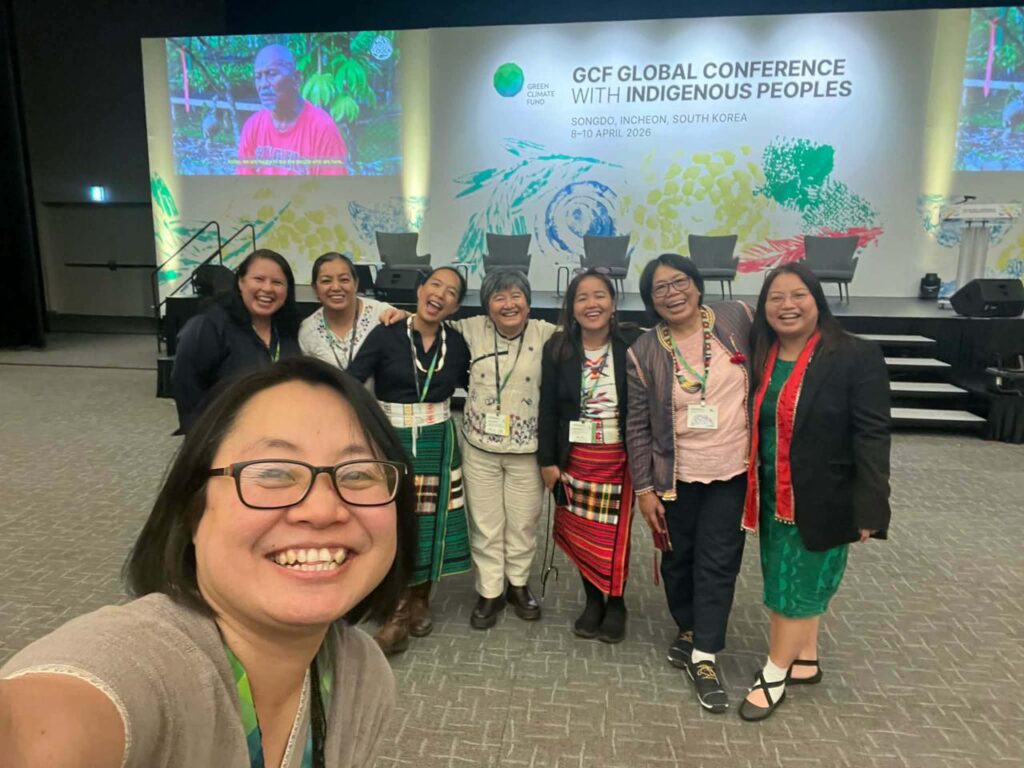
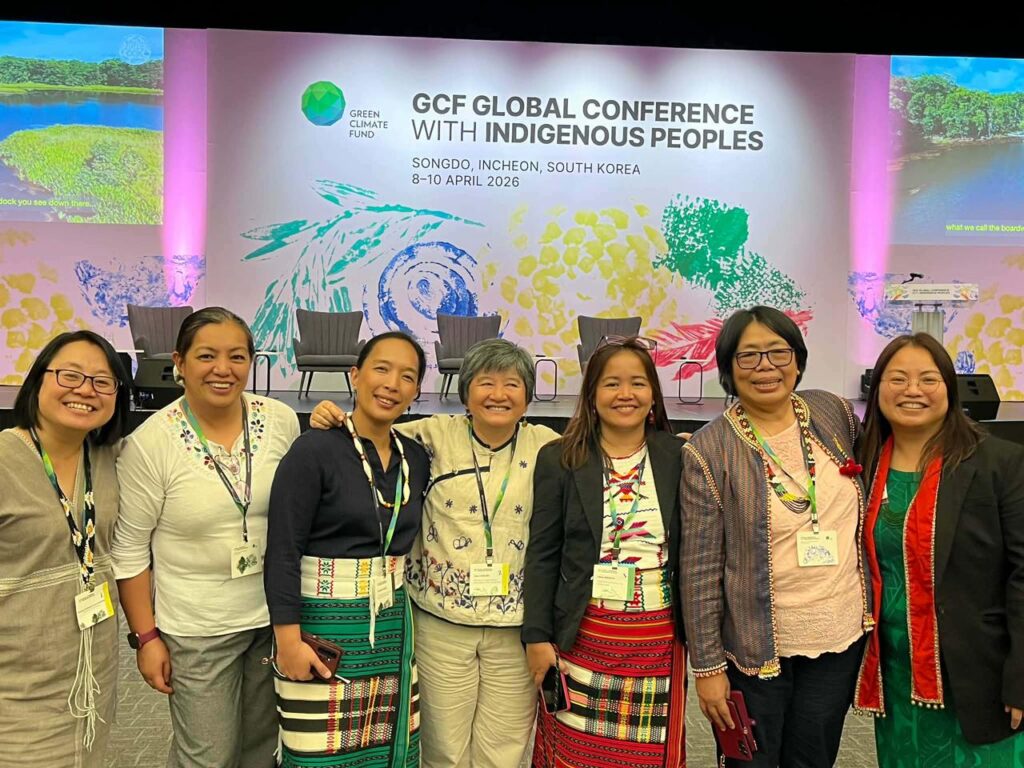
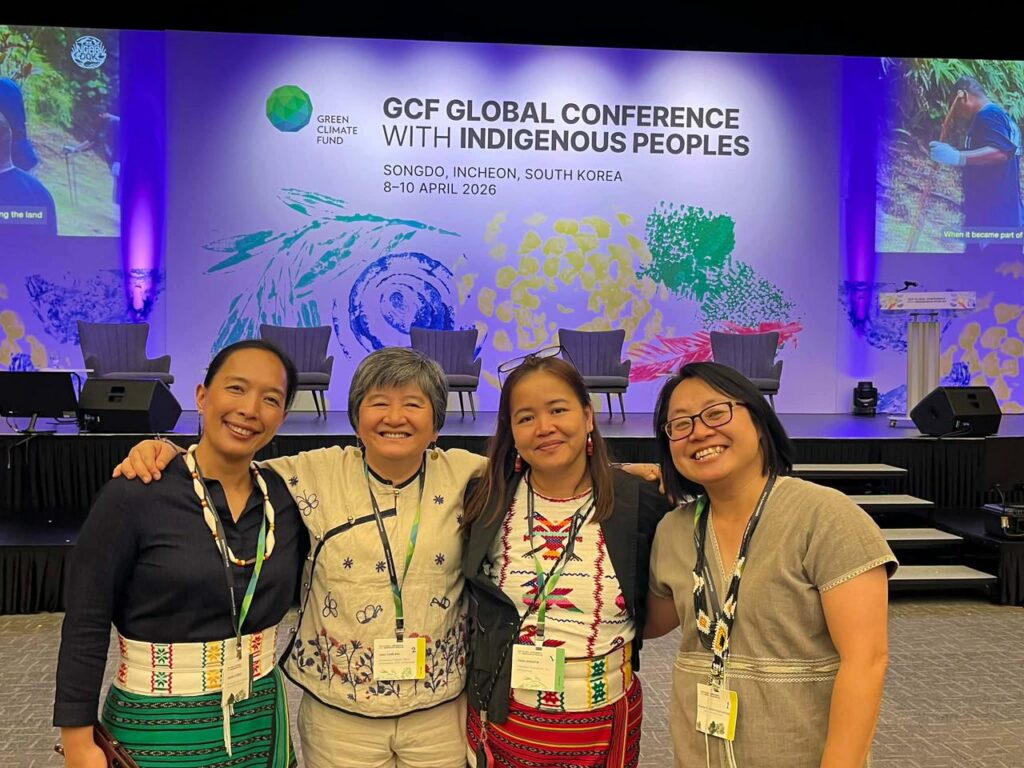
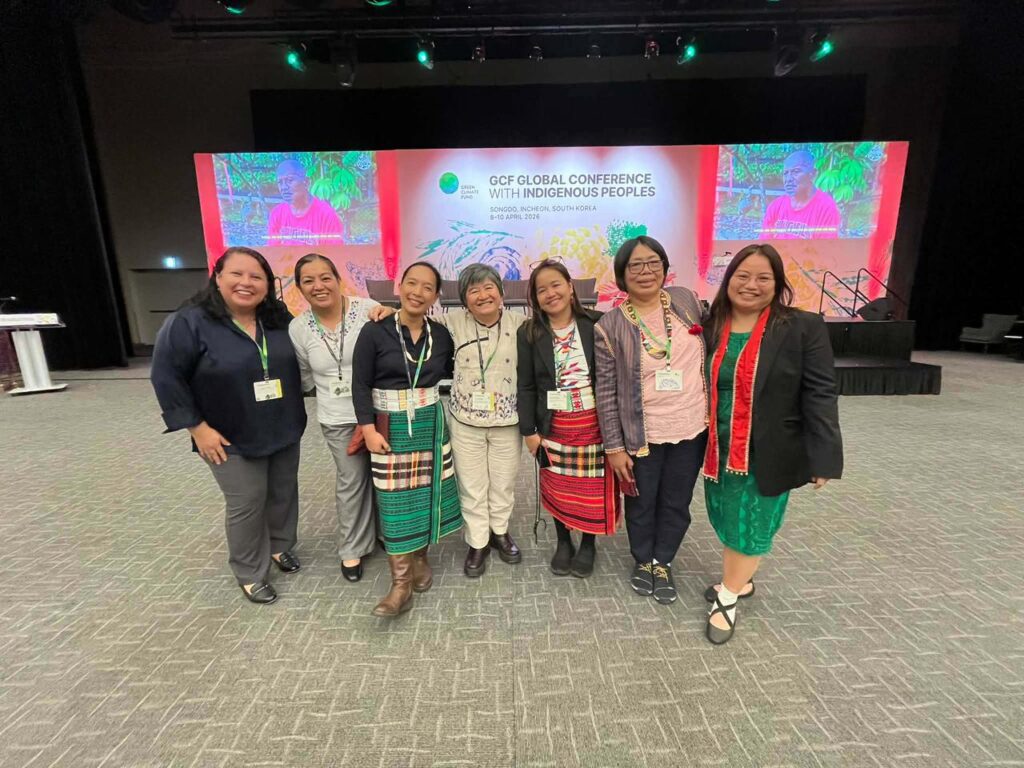
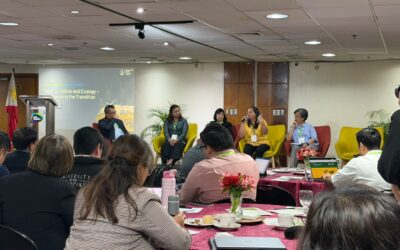
The first-ever GCF Global Conference with Indigenous Peoples, convened by the Green Climate Fund in partnership with the Government of Malaysia, took place from 8–10 April 2026 in Incheon, Republic of Korea.
With a strong focus on the implementation of GCF’s Indigenous Peoples Policy and direct access to climate finance for Indigenous Peoples, the conference created space for grounded experiences to inform global discussions.
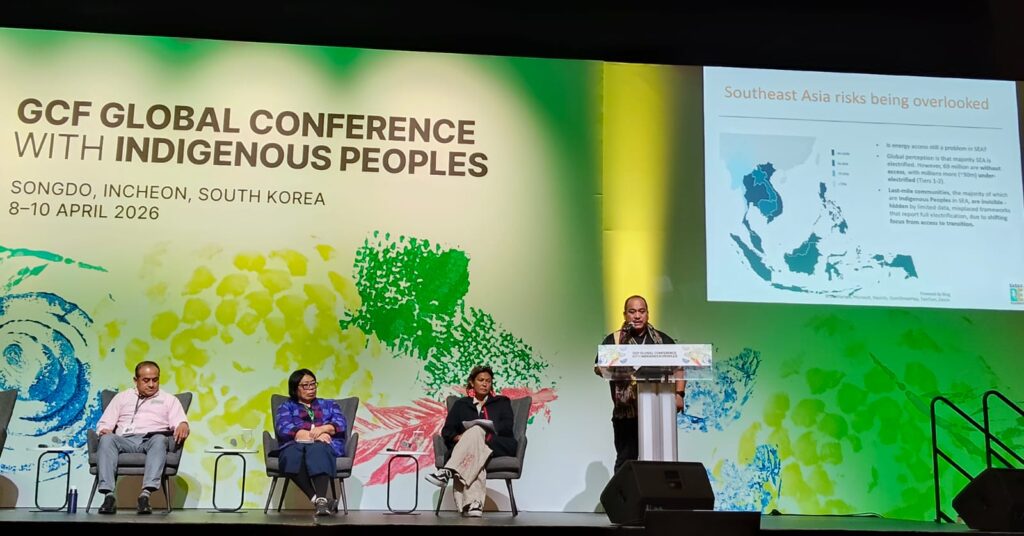
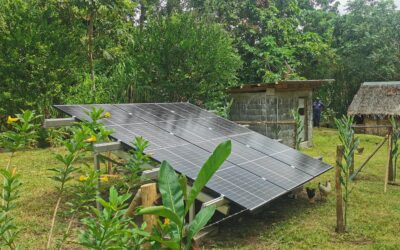
Drawing from work in Sabah, Malaysia, Mr Adrian Lasimbang, representing TONIBUNG as a Technical Director as well as REP Board Member, shared a reality that challenges how progress is often understood. While Malaysia reports 99% electrification, their study identified at least 400 villages, representing around 30,000 people, who still have no access to electricity.
As he noted,
This is where the data doesn’t speak well when it comes to Indigenous Peoples”
Mr Adrian Lasimbang REP BOard member / TONIBUNG Technical Director
His reflection highlights a critical gap, that national-level data can mask the realities of Indigenous communities, particularly those in last-mile contexts where access remains difficult and costly. Financing to support Indigenous Peoples renewable energy initiatives within the GCF financing modalities remain inaccessible given the requirement complexities as well as national priorities not aligned with Indigenous Peoples development priorities.
REP asserts that the conversation on direct access to climate finance within the GCF is critical so as to ensure that Indigenous Peoples are not only visible in the data, but are able to access resources directly and lead solutions on their own terms. Climate finance should prioritize those at the forefront combating the impacts of climate change and those who for generations continue to maintain the vital ecosystems that sustains biodiversity and rich natural resources.
While GCF has its Indigenous Peoples policy, its implementation remains a big gap. It is important that the Indigenous Peoples policy is implemented to ensure that climate interventions contribute to the further marginalization of and increasing human rights violations against Indigenous Peoples.
From March 15–17, Tharu women farmers in Bardiya District, south-western Nepal, stepped into a new role—not just as farmers, but as leaders in renewable energy use within their communities. Under...
The Right Energy Partnership with Indigenous Peoples (REP) contributed to high-level discussions on advancing a responsible and just energy transition during the Responsible Energy Initiative (REI)...
The International Day of Clean Energy, observed annually on 26 January, was been proclaimed by the United Nations General Assembly through resolution A/77/327 as a global call to raise awareness and...

0 Comments