‘We Will Not Stop’: First Nations Land Defenders Take Direct Action Against Trans Mountain Pipelined
"Today we stand on unceded, unsurrendered, illegally occupied Secwepemc land to show that we...


"Today we stand on unceded, unsurrendered, illegally occupied Secwepemc land to show that we...
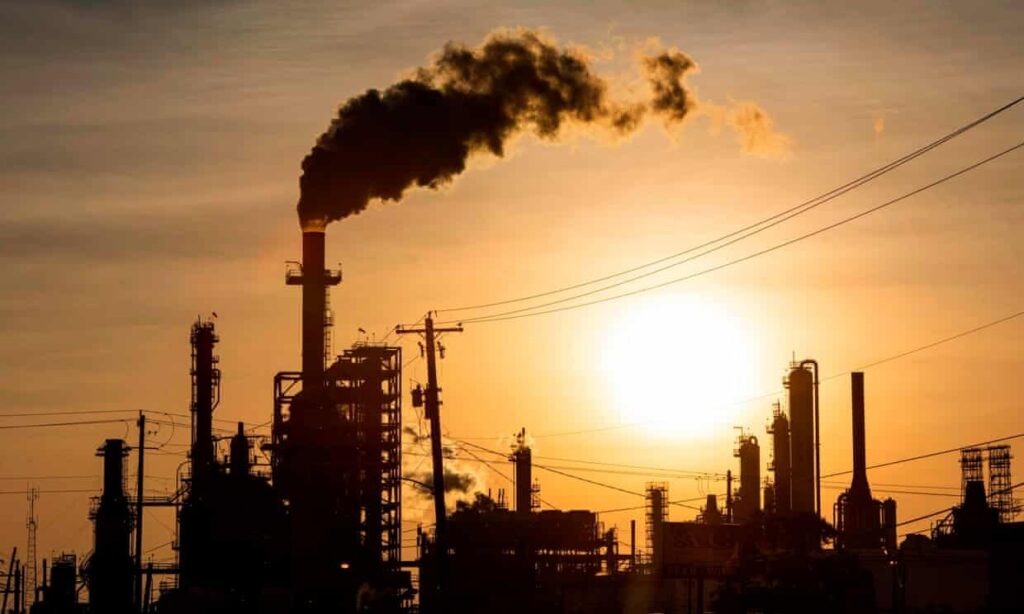
The oil industry knew at least 50 years ago that air pollution from burning fossil fuels posed serious risks to human health, only to spend decades aggressively lobbying against clean air regulations, a trove of internal documents seen by the Guardian reveal.
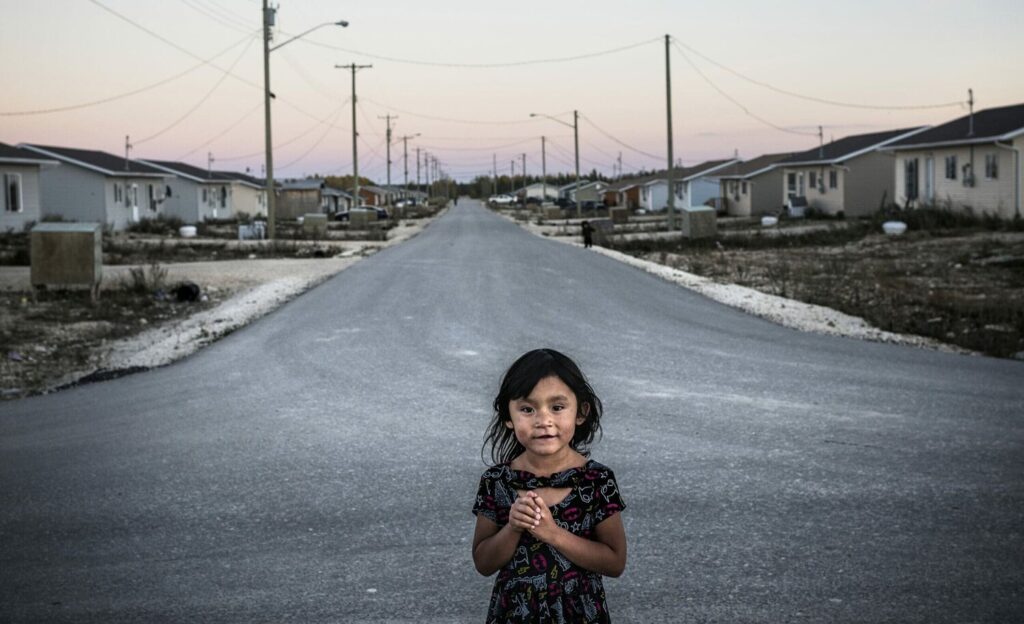
For five decades, hydroelectric development has altered the lives and landscapes fed by the Nelson River in the province's north. The Keeyask dam, the sixth to modify the river's course, is scheduled to come online in 2021

Addressing climate change requires that we transition quickly to renewable energy while grounding our efforts in human rights.
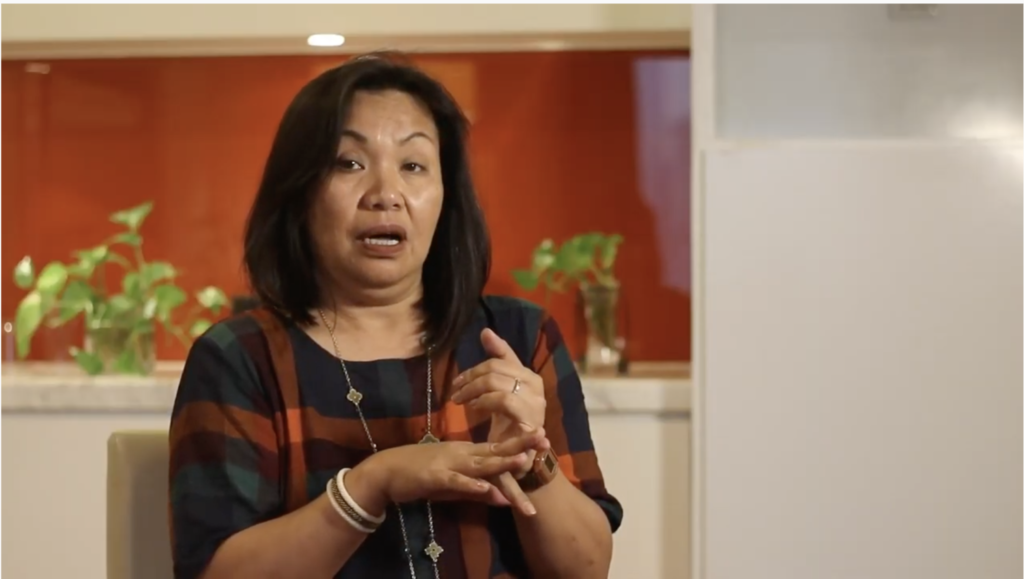
Indigenous women's struggle stands at the intersection of land rights and women’s rights. Eleanor Dictaan-Bang-oa of the Gender Desk of the Tebtebba Foundation discusses the different kinds of challenges faced by indigenous women, with examples from Nepal, India, and the Philippines.
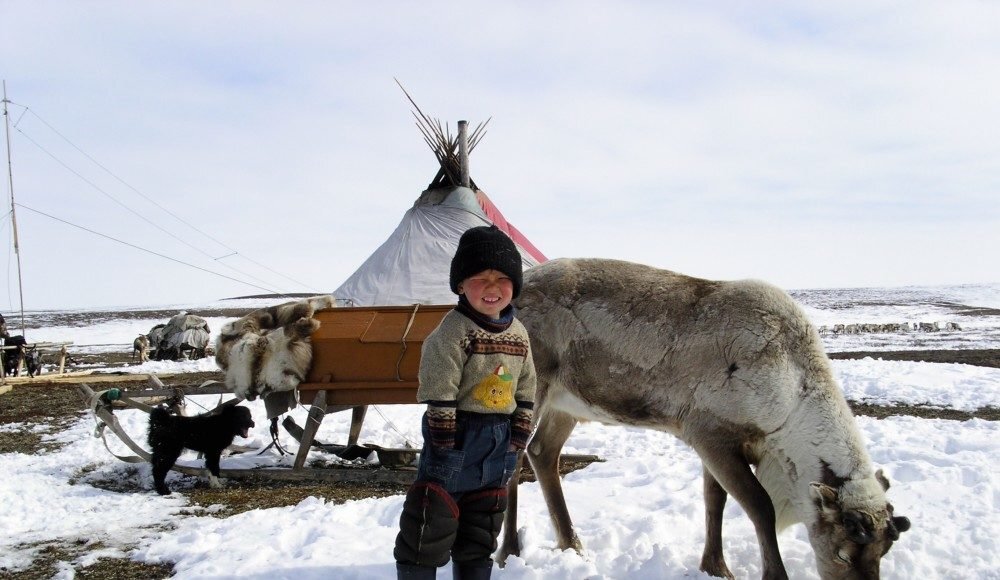
Activists are pressuring the Russian metal and mining giant's partners and financial backers to get it to change its environmental practices.
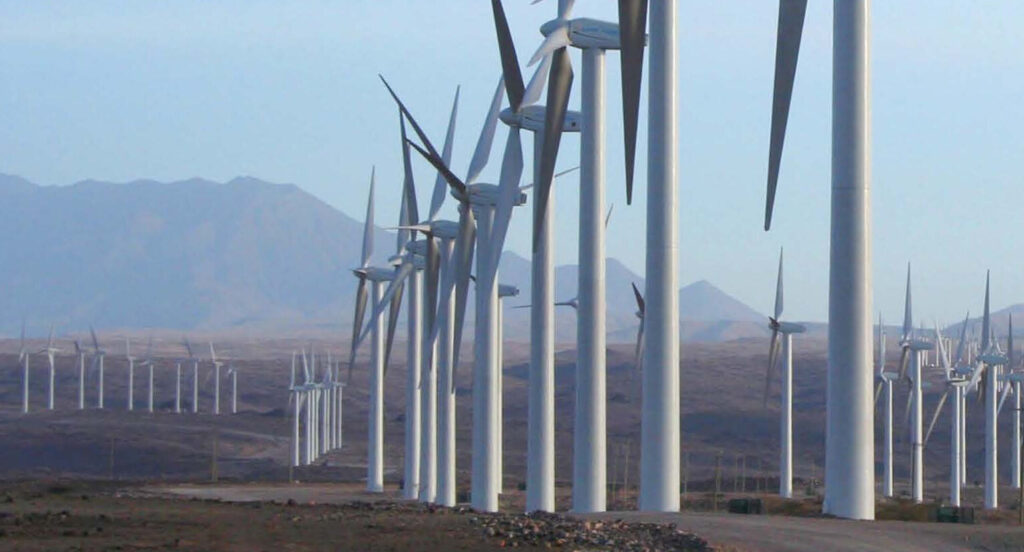
Several indigenous organizations in four countries have inked a partnership with the Indigenous Peoples Major Group (IPMG) through its Right Energy Partnership initiative, launched in July 2018, to promote a human rights-based approach to renewable energy development in their indigenous territories.
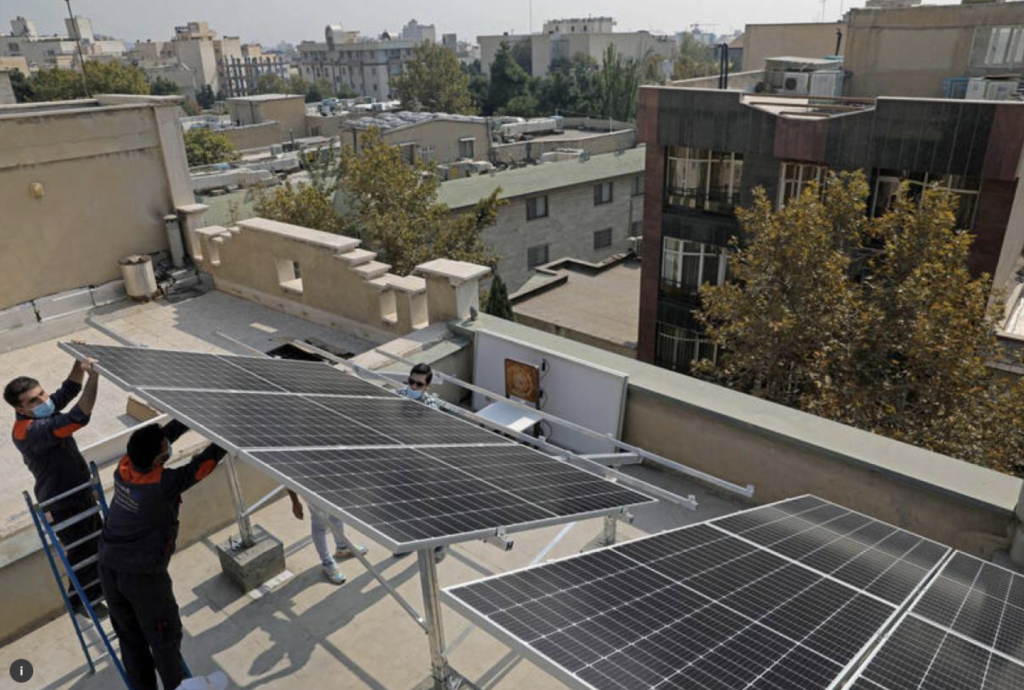
More than 1,300 cities have set targets or introduced policies to boost renewable energy, while a small but growing number are banning the use of climate-heating fuels

Spending on efforts to cut carbon emissions from energy, transport and construction in cities would bring jobs and savings, as well as curbing climate change, a new report says