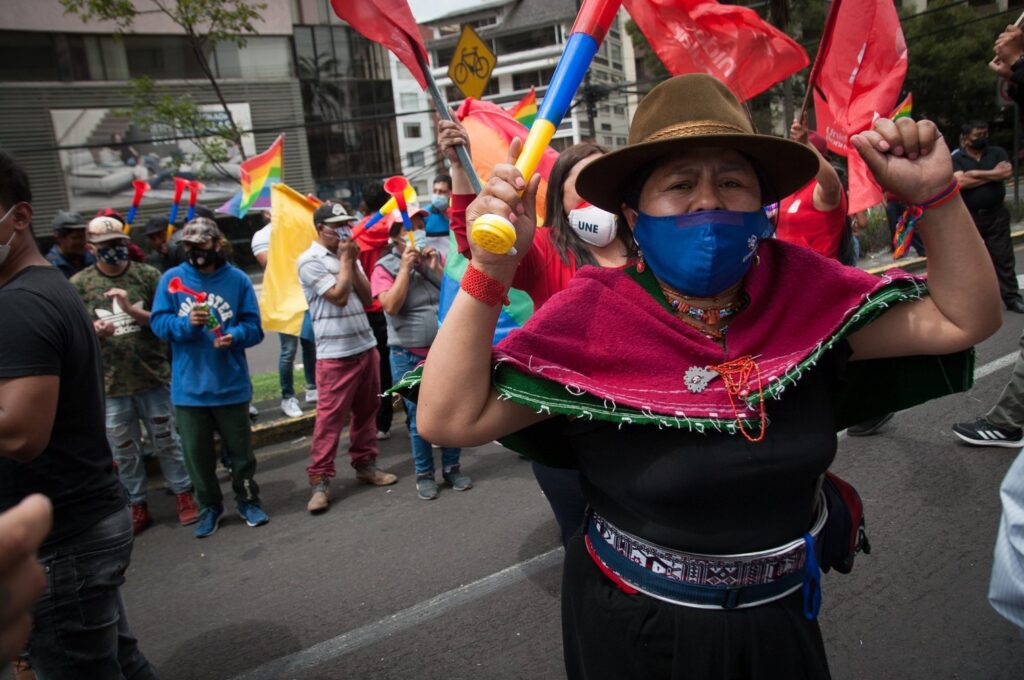
Ecuador’s pro-mining politics dealt a blow by Indigenous, green movement
In a historic referendum, more than 80% of the electorate in Cuenca, Ecuador’s third-largest city, voted to ban mining in the area.
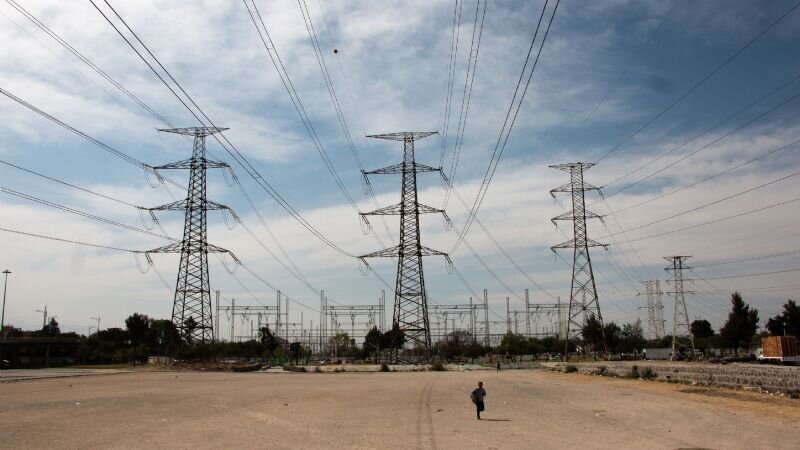
Pollution from power plants, vehicles and other sources accounted for one in five of all deaths that year, more detailed analysis reveals
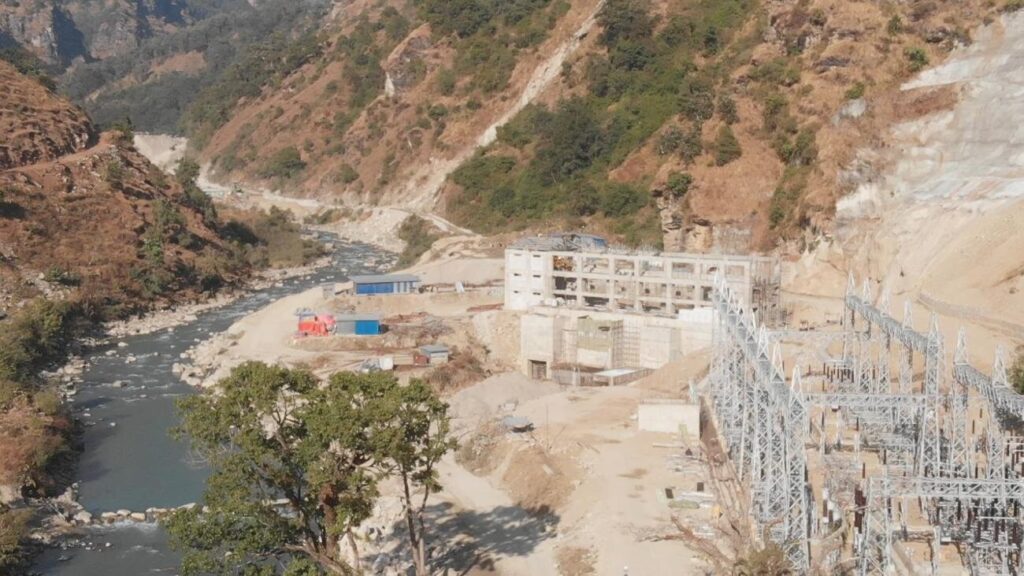
Seven hydropower projects along the Likhu River in eastern Nepal have adversely impacted Indigenous and local communities who live in and near the project sites but have received little attention.
While renewable energy is essential to reduce global warming, such projects are not always implemented in a socially responsible manner as regards local communities. I
A new report from the Conference Board of Canada's Centre for the North says that an Indigenous-owned hydroelectric project in Atlin, B.C., is an "excellent example" of how infrastructure projects can benefit First Nations.
In a resolution signed on January 15, the Isnag people of Kabugao, Apayao in Northern Philippines, reiterated their opposition to the proposed hydroelectric power project (HEPP) of the Pan Pacific Renewable Power Philippines Corporation (PPRPC).
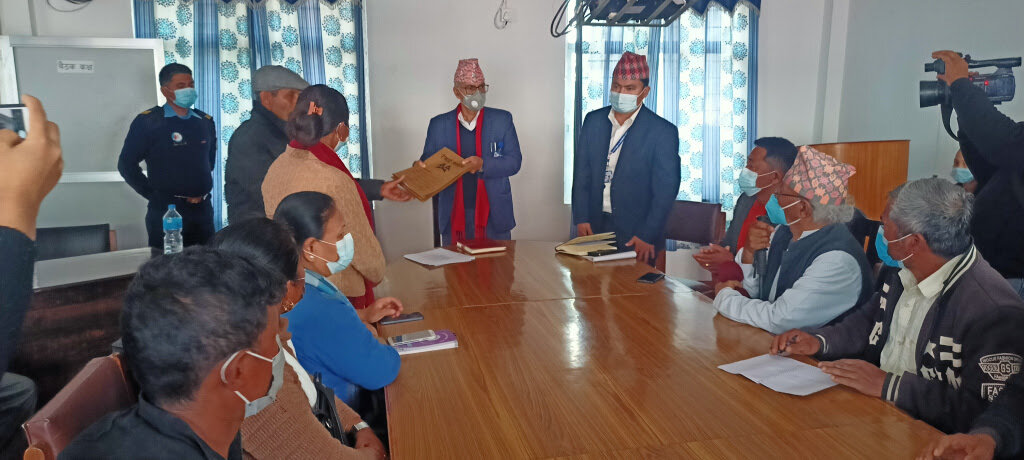
Indigenous Majhi and other communities affected by the Sunkoshi-Marin Diversion Multipurpose project in Ramechhap district in eastern Nepal have submitted a 13-point memorandum to the local authorities on Sunday expressing their discontent with the project.
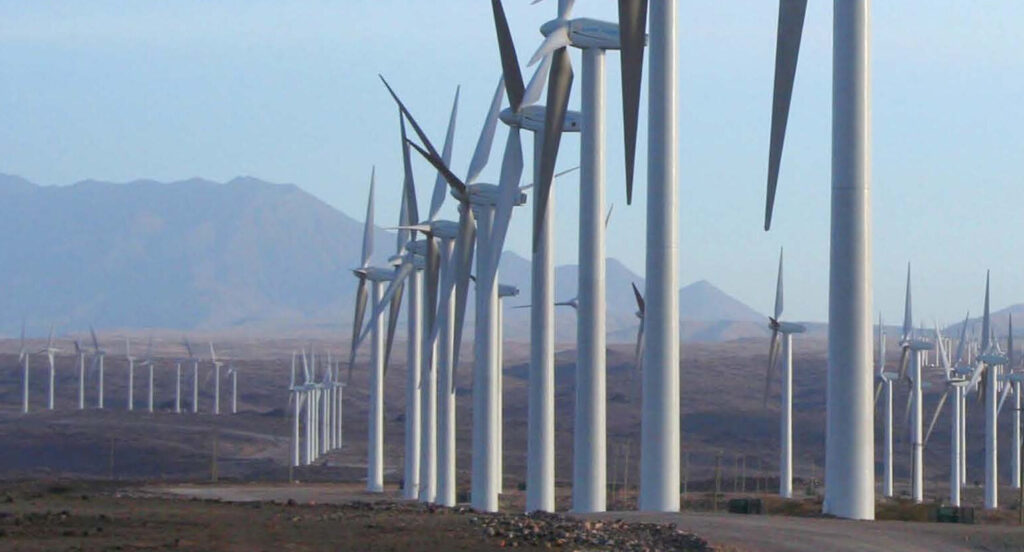
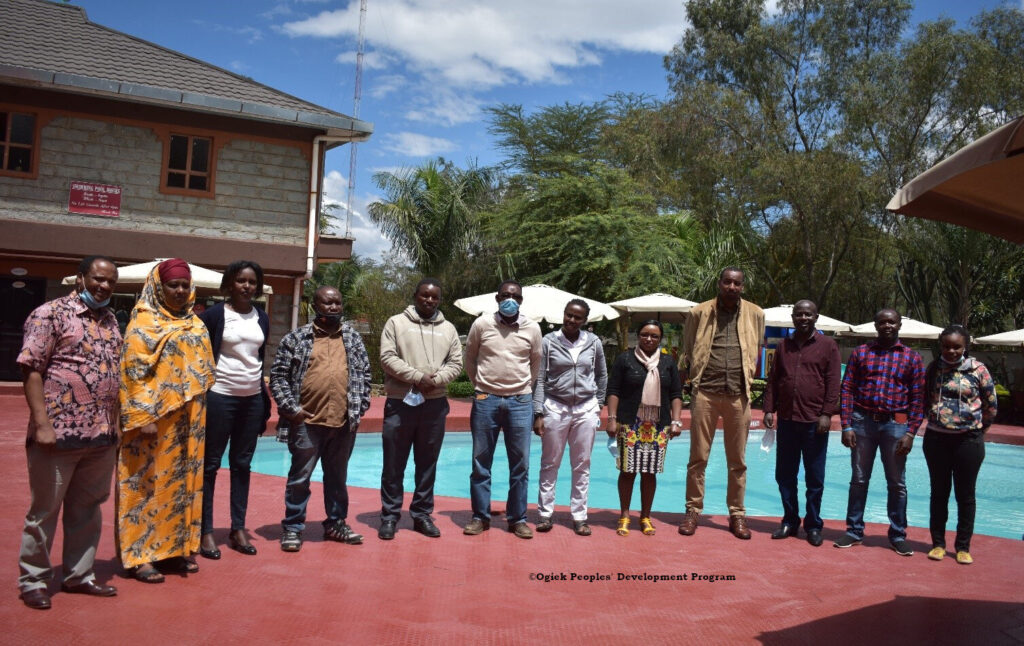
In a bid to fulfill Sustainable Development Goal 7 on Clean and Affordable Energy, Kenya is working towards utilization of 100% renewable energy supply by 2030.