A dam is revived, and so are nightmares
Indigenous people fear for their future as the North Koel dam project, lying defunct since 1997, has been revived


Indigenous people fear for their future as the North Koel dam project, lying defunct since 1997, has been revived
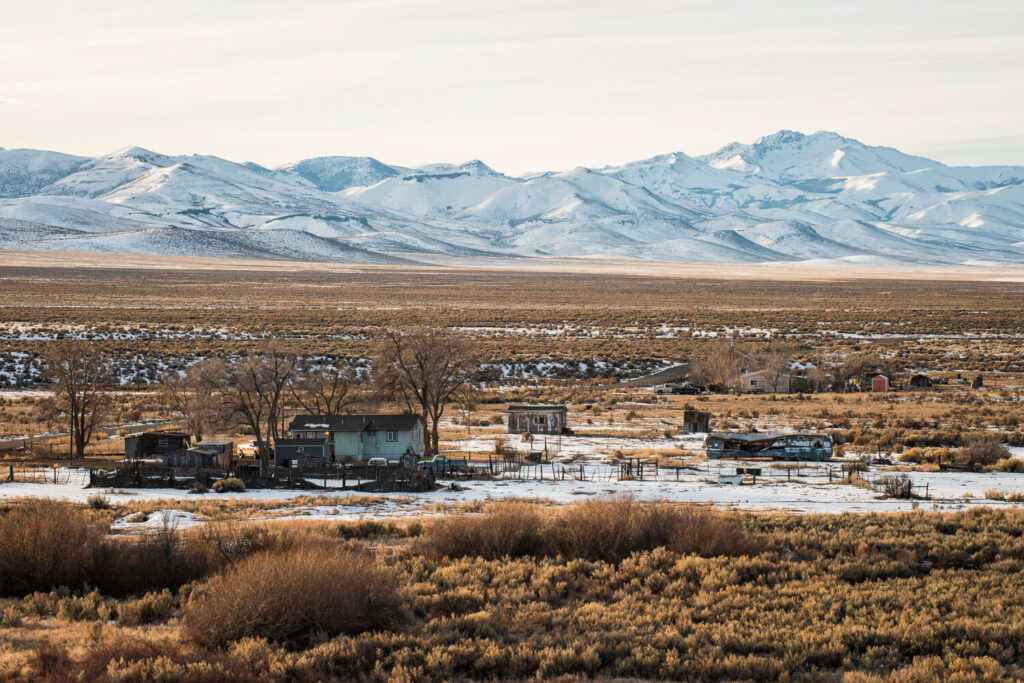
The hastily approved project went forward without comment from the Fort McDermitt Paiute Shoshone Tribe.
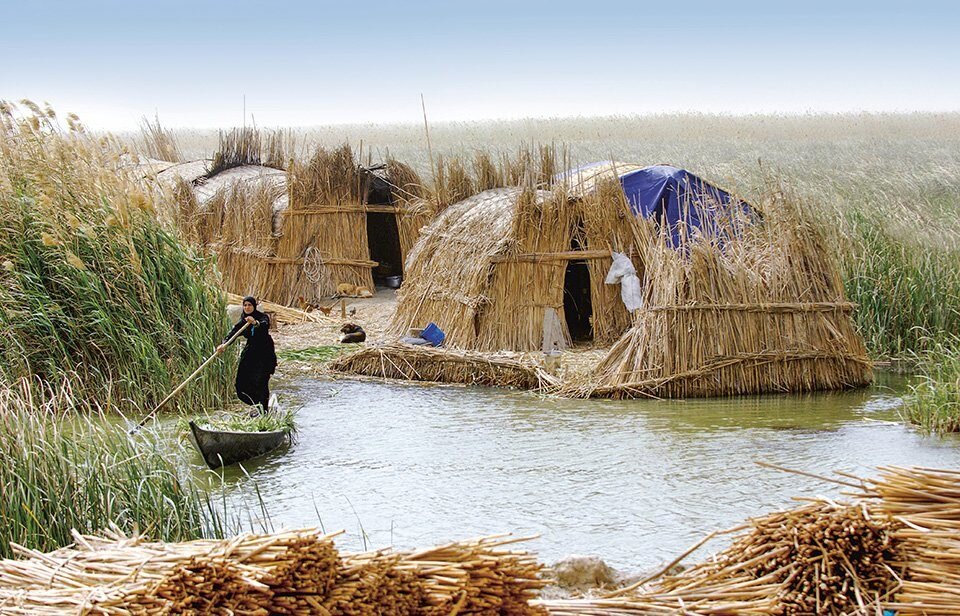
The design field is at an inflection point. It must challenge its repertoire, rethink technology, and begin to see biodiversity as a building block of urban environments.
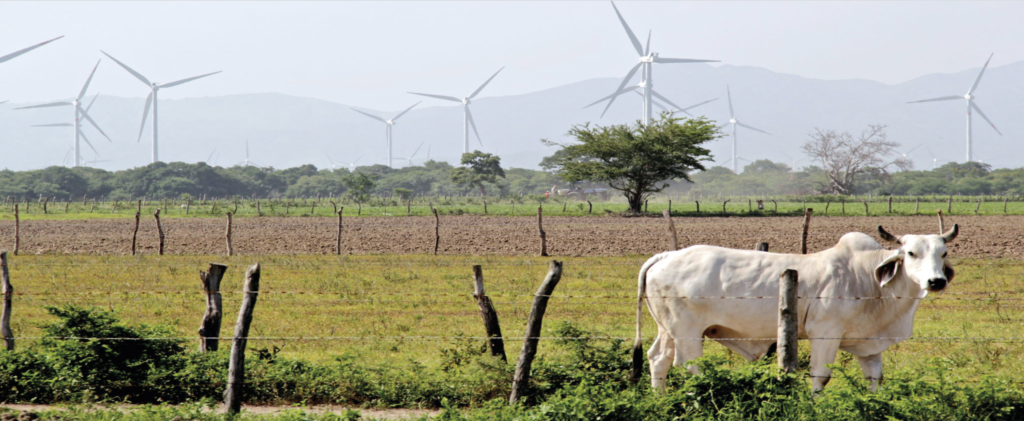
Governments and businesses argue that the energy transition contributes to sustainable development and environmental conservation. And yet the confrontation between corporations and the state with Indigenous Peoples reflects a continuing oppression and repression.
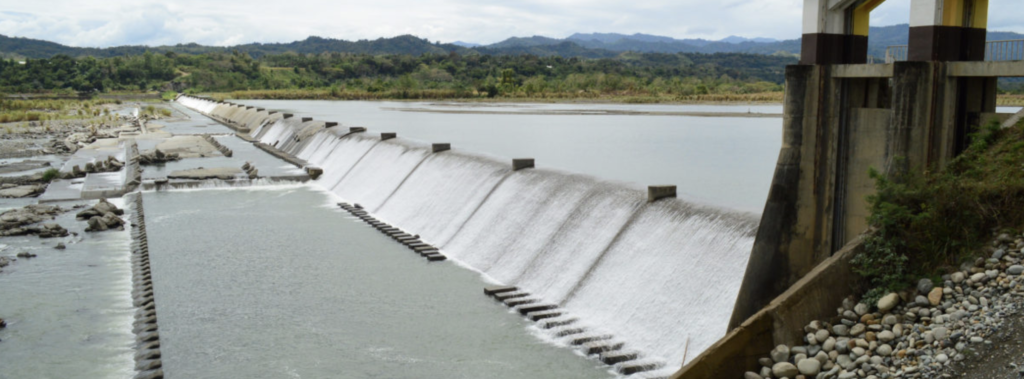
For more than five decades, Indigenous communities in the northern Philippines have pushed back against the planned construction of hydropower dams on the Chico River system.
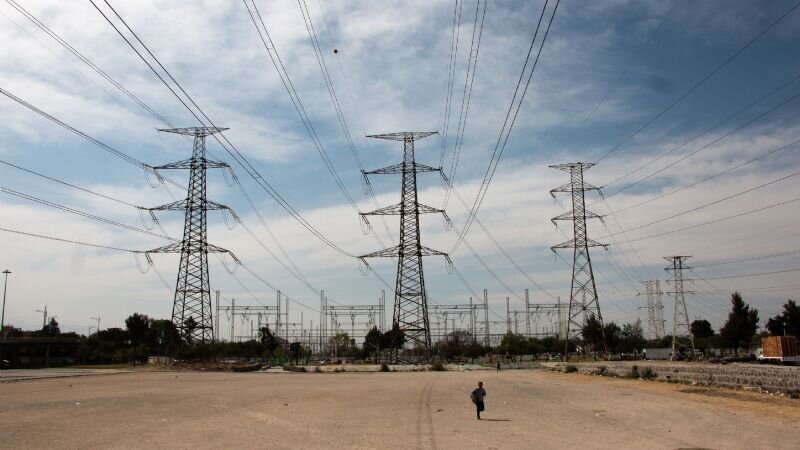
Members of indigenous organizations reproached the fact that the initiative to reform the Electricity Industry Law omitted the recognition of the peoples to participate in the generation of energy.
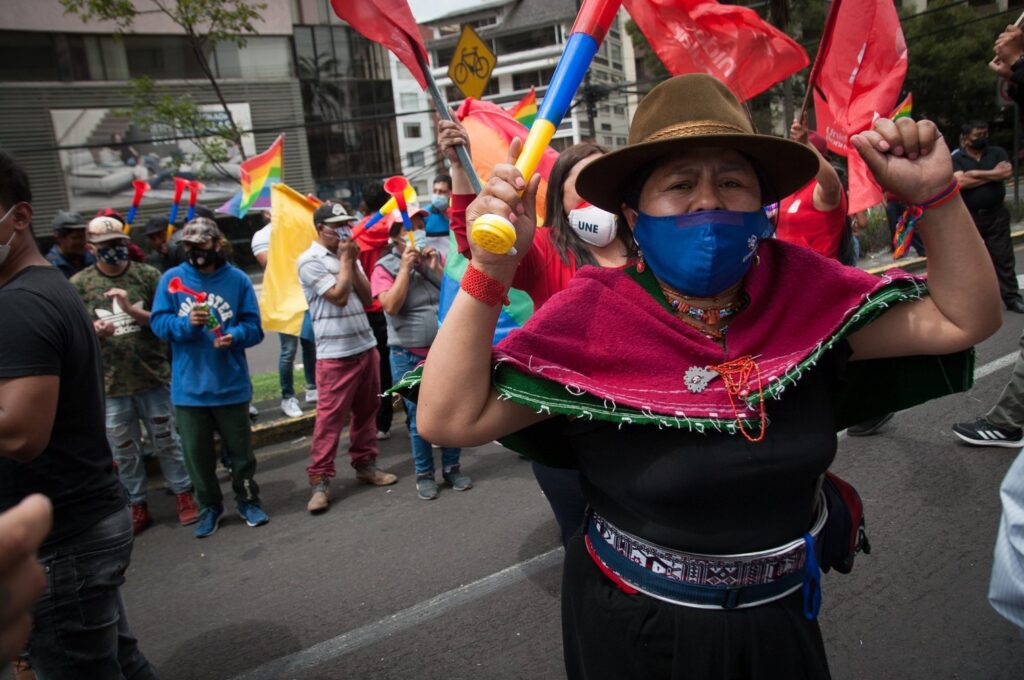
In a historic referendum, more than 80% of the electorate in Cuenca, Ecuador’s third-largest city, voted to ban mining in the area.

Pollution from power plants, vehicles and other sources accounted for one in five of all deaths that year, more detailed analysis reveals
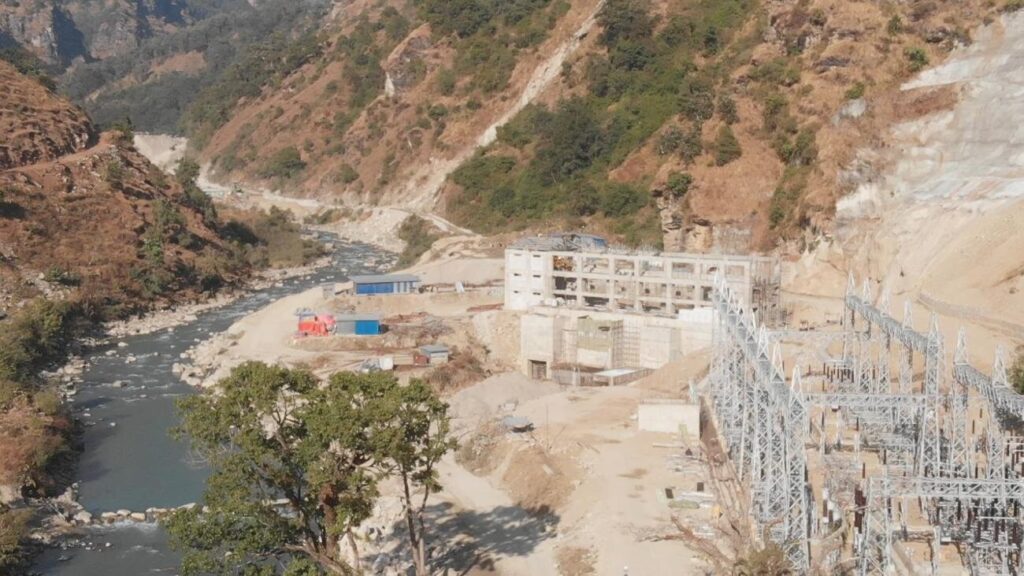
Seven hydropower projects along the Likhu River in eastern Nepal have adversely impacted Indigenous and local communities who live in and near the project sites but have received little attention.